What Is the Best CNC Machine Brand?.
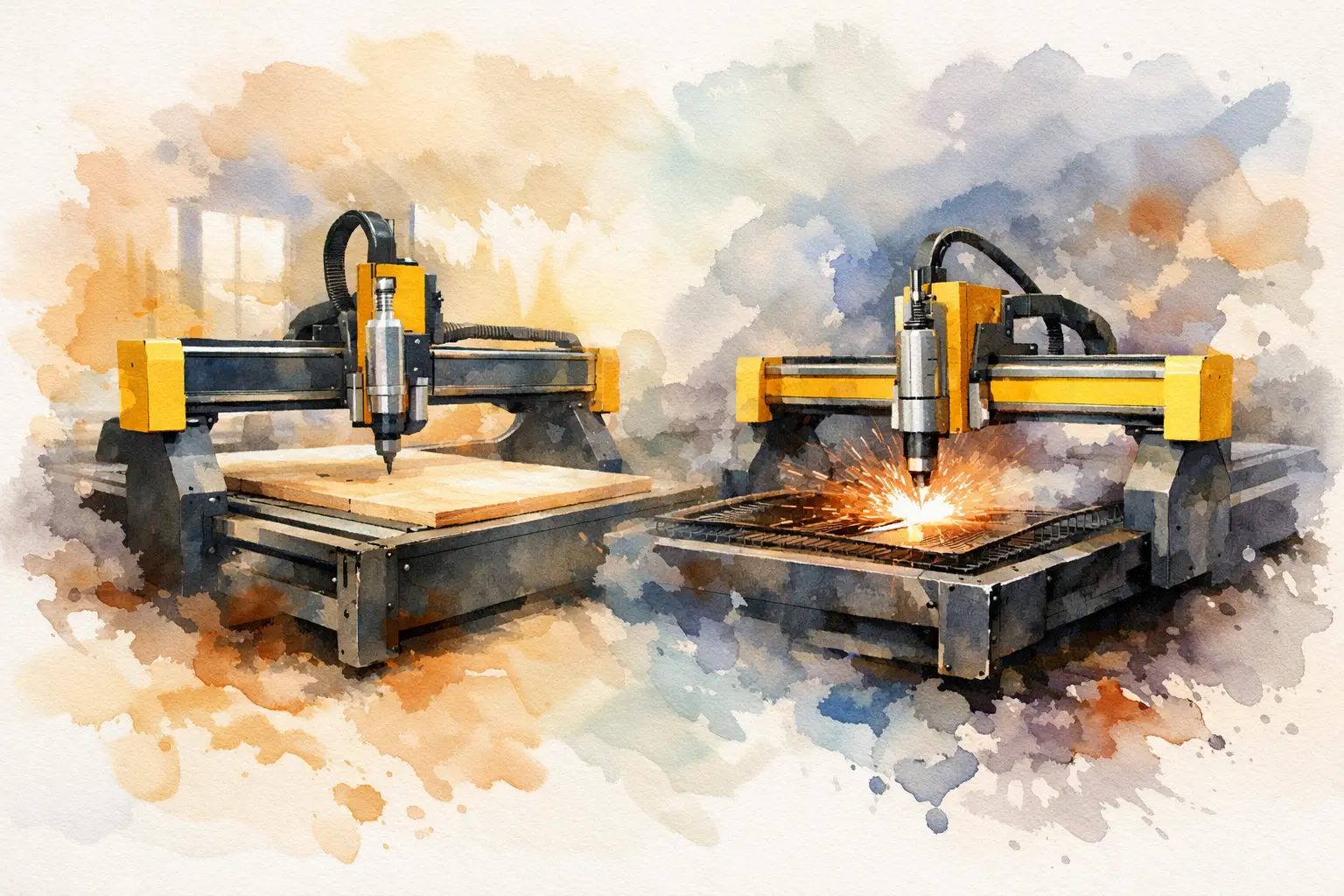
If you are asking what is the best CNC machine brand, you are probably not looking for a logo to put on the workshop wall. You are trying to avoid downtime, missed delivery dates, wasted material and the sort of support delays that leave a machine sitting idle while jobs pile up.
That is why the honest answer is this – the best CNC machine brand is the one that fits your process, handles your workload reliably and backs you up properly after installation. Brand matters, but only when it shows up where it counts: cut quality, machine stability, software usability, parts availability and real technical support when production is under pressure.
What is the best CNC machine brand really asking?
Most buyers frame the question around reputation. In practice, they are asking a different set of questions. Will this machine do the work we need today and still suit us in three to five years? If something goes wrong, who answers the phone? How quickly can parts, service and software help be provided? Can the system be configured to our material range, throughput targets and operator skill level?
For a fabrication shop, cabinetmaker, plastics processor or engineering business, the wrong machine is rarely wrong because of one dramatic flaw. It is usually wrong because the overall fit was off from the start. The cutting process was not suited to the material mix. The table size did not match sheet handling. The control software slowed training. The support model relied on third parties. Small mismatches become expensive once the machine is on the floor.
That is why comparing brands on headline specifications alone is risky. A brochure can make almost any machine look impressive. What matters is how the machine performs in your actual production environment.
The best CNC brand depends on the process
A good brand in one category may not be the best choice in another. CNC plasma, CNC router and CNC fibre laser systems solve different production problems, and each needs to be assessed on its own merits.
If you are cutting mild steel plate in a fabrication environment, plasma may give you the best balance of speed, operating cost and versatility. If you are processing timber, composites, plastics or aluminium sheet, a router setup needs to be judged on spindle performance, hold-down, bed design and software flow. If your priority is high-speed precision cutting in thin to medium metals with minimal secondary processing, a fibre laser may be the stronger fit.
So when someone asks what is the best CNC machine brand, the first technical question should be: best for which material, thickness range, production volume and finish requirement? Without that, any answer is guesswork.
What separates a strong CNC machine brand from an average one
The first separator is engineering quality. A machine needs a solid frame, dependable motion components, consistent torch or head control, stable electronics and well-integrated software. That sounds obvious, but the real test is repeatability over time. A machine that cuts well in a demo but drifts in accuracy or becomes difficult to maintain under workshop conditions will cost more than it saves.
The second separator is application knowledge. Good brands do not just sell a machine. They understand cutting processes, nesting, consumable performance, material behaviour and production flow. They can tell you where plasma is the right answer, where routering makes more sense, and where a fibre laser will deliver a better result. If every conversation ends with the same machine recommendation regardless of your work, that is a warning sign.
The third separator is support. This is where many buying decisions are won or lost after the invoice is paid. Local service access, parts availability, software assistance, commissioning, operator training and troubleshooting matter far more than marketing claims. A machine with strong support often outperforms a technically similar machine with weak backup, simply because downtime gets resolved faster.
For Australian buyers, local support is not a side issue
Australian manufacturers and workshops operate differently from large overseas plants with in-house engineering teams on every shift. Many local businesses need equipment that is reliable, straightforward to run and backed by people who can respond quickly when production is at risk.
That is why the best CNC machine brand for an Australian buyer is often the one with direct local knowledge and support capability, not just international name recognition. Time zones matter. Spare parts access matters. So does dealing with people who understand Australian operating conditions, compliance expectations and the practical realities of local manufacturing.
There is also a big difference between buying from a reseller and buying from a company that actually designs, builds, programs and supports the equipment it supplies. Direct technical ownership usually means clearer advice, faster fault finding and less finger-pointing when something needs attention.
How to judge a CNC brand before you buy
Start with your own work, not the brand story. Look at the materials you cut most often, your thickness range, required edge quality, daily throughput and whether your bottleneck is speed, labour, accuracy or secondary finishing. The right brand should be able to discuss these factors in detail and explain the trade-offs clearly.
Ask how the machine will be configured for your operation. That includes table size, extraction or fume control, power requirements, software workflow, nesting, consumables, automation options and future upgrade paths. If the machine is presented as a one-size-fits-all answer, you are probably not getting proper advice.
Then test the support model. Who installs the machine? Who trains operators? Who provides software help? Who carries parts? How are service calls handled? What is the expected response time? These are not awkward questions. They are central to the buying decision.
It is also worth asking what the brand does after commissioning. The reality is that many production gains happen once operators are using the machine daily and start refining settings, nesting and job flow. Ongoing support turns a good machine into a profitable one.
Price matters, but whole-of-life value matters more
A lower upfront price can look attractive until downtime, inconsistent cut quality or poor support starts affecting the workshop. Lost production time, scrap, extra labour and delayed deliveries quickly wipe out any initial saving.
The better question is not simply what the machine costs to buy. It is what the machine costs to own and run over time. Consumables, serviceability, software efficiency, maintenance access, training and uptime all shape real return on investment.
This is where experienced buyers look past headline numbers. A machine that is correctly specified, properly installed and backed by responsive support will usually deliver stronger long-term value than a machine that looked cheaper on day one.
So, what is the best CNC machine brand?
The straight answer is that there is no single best brand for every workshop. There is only the best-fit brand for your application, workload and support requirements.
If a brand offers well-engineered machines, understands your process, configures the system around your production goals and stands behind it with direct support, it deserves serious consideration. If it relies on generic sales claims, vague service promises or pushes a machine that does not match your work, it does not matter how well known the name is.
For Australian businesses, the strongest choice is often a supplier that combines machine design knowledge, process advice, installation, software integration and after-sales support in one place. That usually leads to fewer surprises and better productivity once the machine is earning its keep. ART CNC has built its reputation around exactly that approach – practical guidance, tailored systems and direct local support that keeps production moving.
A good CNC machine should do more than cut material. It should remove bottlenecks, improve consistency and give your team confidence that the machine will perform when deadlines are tight. That is the standard worth buying to.