Navigate
- Home
- Products & Services
- All Machines
- CNC Routers
- XT Router
- XR ROUTER – General Purpose High-Performance with ATC
- RT CNC ROUTER – Super Heavy Duty with ATC
- RTL CNC ROUTER – Heavy Duty Extra Long for Aluminium Processing
- XRS ROUTER – with Machine Vision Alignment System for Cutting Printed Signs
- XRD ROUTER – Steered Tooling for Insulation, Ducting and Textiles
- CNC Plasma
- CNC Laser
- Metaltek XB1200 Plasma Beamline
- Machines4U Listings
- CNC Routers
- Servicing & Repairs
- Software
- TruCut Consumables & Tooling
- Financing & Leasing
- All Machines
- Store
- CNC Knowledge Centre
- Company
- Gallery
- User Portal
About ART CNC
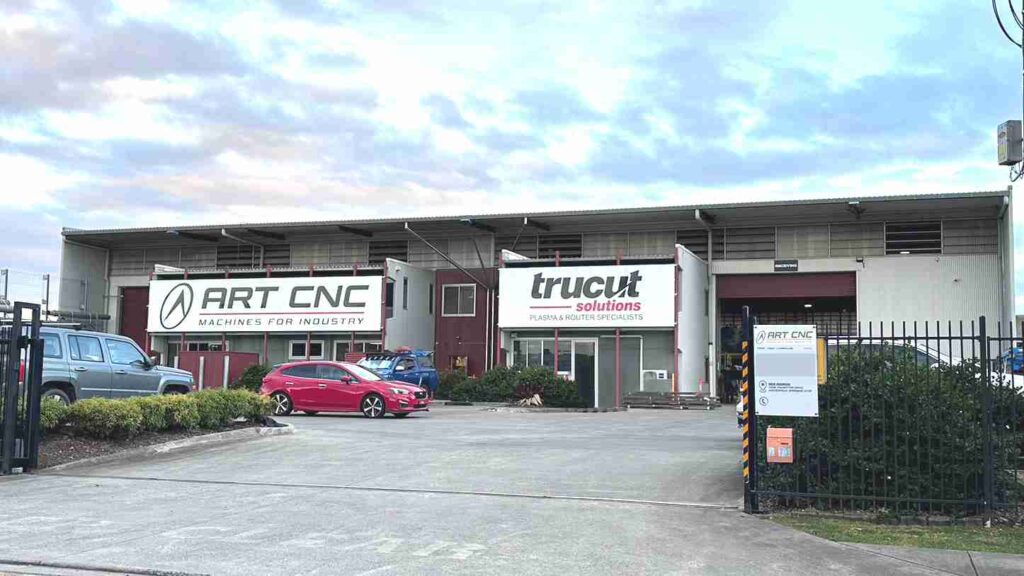
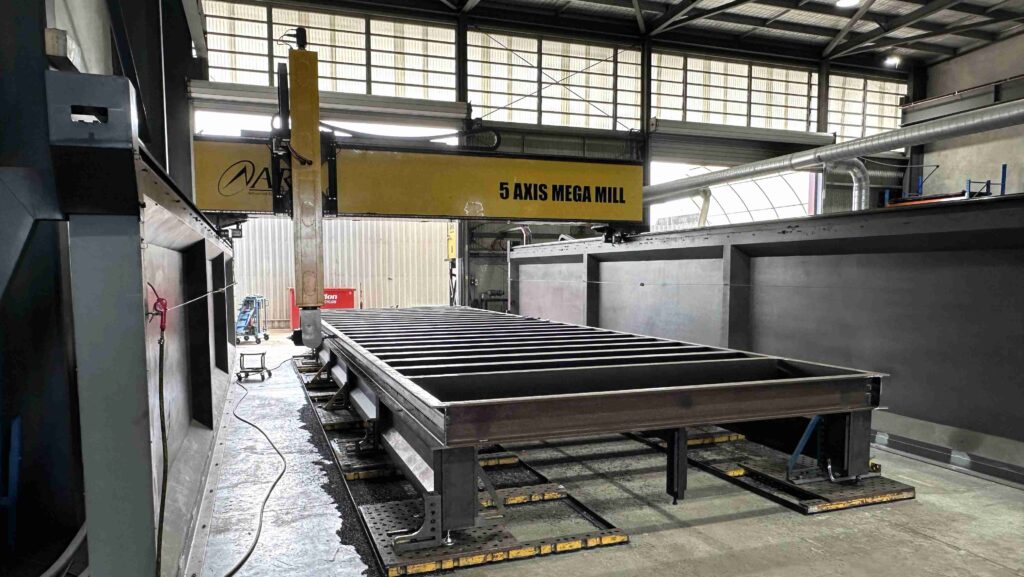
ART CNC was founded on a simple idea: industrial CNC machinery should be engineered by people who actually understand manufacturing. Not salespeople. Not importers rebadging generic equipment. Real engineers building machines that survive demanding production environments and deliver measurable business outcomes. That philosophy still drives the company today.
From early gantry motion platforms developed in the late 1990s through to today’s advanced multi-axis CNC systems, ART CNC has continuously developed its own technology in-house. Over the years, the company has introduced innovations including servo-driven gantry systems, automatic tool changers, integrated extraction systems, machine vision technology and fully automated steel processing solutions.
ART CNC machines are used across a wide range of industries including cabinetmaking, aluminium fabrication, boat and ship building, plastics engineering, steel fabrication, HVAC manufacturing, architectural fabrication and education. Whether processing timber, aluminium, composites, plastics or steel, ART CNC systems are engineered to maximise productivity, reduce labour costs, minimise waste and improve finished product quality.
What separates ART CNC from many CNC suppliers is vertical integration and technical ownership. ART CNC designs, builds, programs, services and supports the machines it sells. Customers deal directly with the people who engineered the equipment, which means practical advice, faster support and machinery tailored to real manufacturing requirements — not generic catalogue solutions.
Today, ART CNC continues to push Australian manufacturing technology forward with a focus on industrial automation, robotics, precision engineering and long-term customer support. In an industry flooded with disposable imported machinery, ART CNC remains committed to building high-performance CNC systems designed for serious manufacturing environments and backed by genuine local expertise.
At ART CNC, the goal is simple: build machines that make manufacturers more competitive. Faster production. Better accuracy. Less waste. Greater reliability. Real results.
Contact details.
- Australia Phone
- +61 7 3393 6555
- View our email address
- Address
- 73 Boyland Ave, Coopers Plains. QLD 4108. Australia