CNC Plasma Tables for Australian Fabricators.
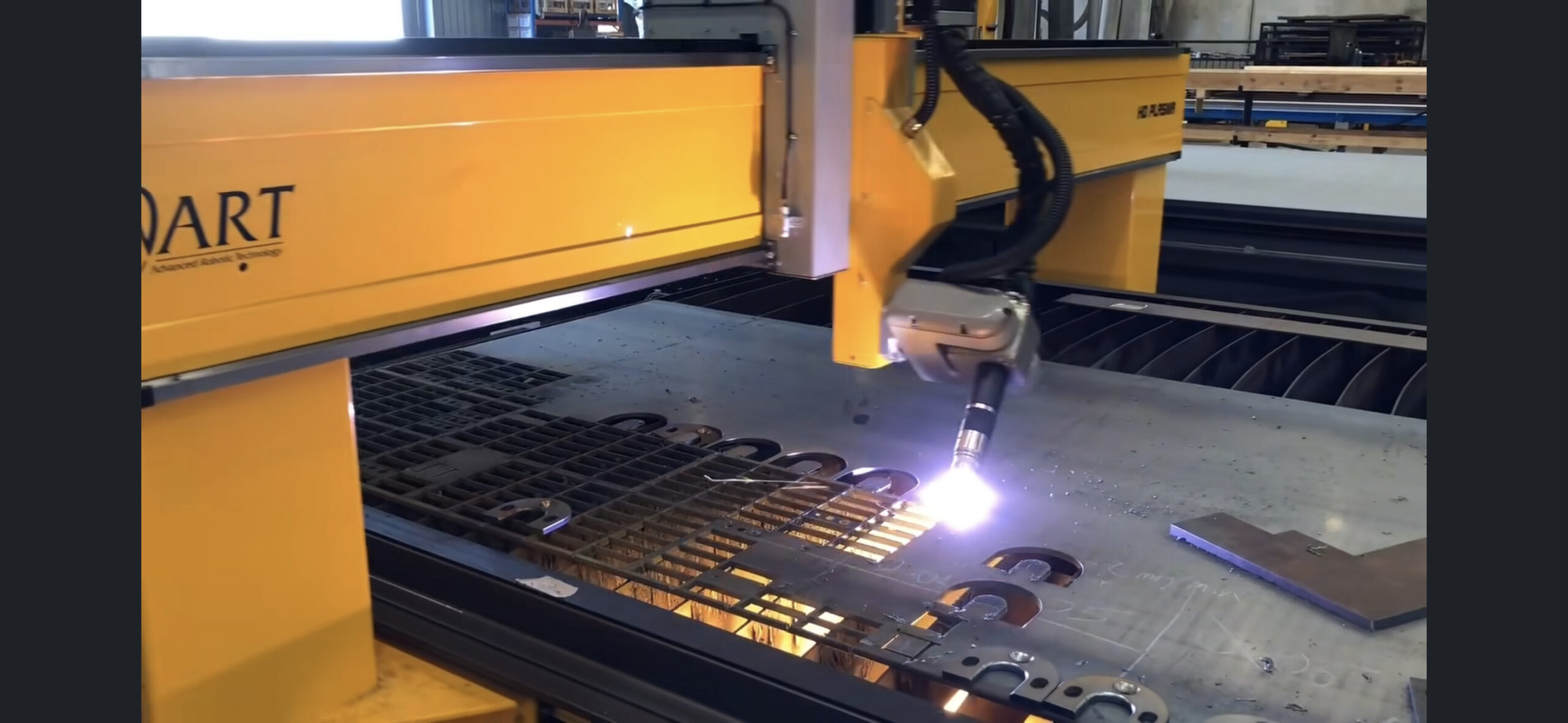
If your workshop is still losing time on manual marking, rework, or waiting on outsourced profiles, cnc plasma tables start to look less like a capital expense and more like a production fix. For Australian fabricators, the real question is not whether plasma cutting works – it does – but whether the table, power source, software and support package are right for the workload you run every day.
That distinction matters. A machine can look impressive on paper and still become a bottleneck on the floor if it is undersized, poorly supported, or mismatched to your material mix. A well-specified plasma table, on the other hand, can change how a business handles turnaround times, quoting confidence, labour allocation and finished part consistency.
What cnc plasma tables actually need to deliver
In a production environment, nobody buys a plasma table just to say they have automation. It needs to cut accurately, handle the material thicknesses you process most often, and keep doing that without constant intervention. It also needs to fit the way your team works, from drawing preparation through to nesting, cutting and part removal.
For many fabrication shops, the biggest gain is not simply cut speed. It is workflow control. Bringing profile cutting in-house can reduce lead times, improve schedule certainty and give you more flexibility when jobs change halfway through the week. That is especially valuable in industries where customer deadlines move quickly, including structural steel, general engineering, mining support work and production fabrication.
Good cnc plasma tables also reduce dependence on highly manual processes. Operators still matter, of course, but the machine should make quality repeatable rather than relying on one person getting every setting right every time. Height control, stable motion, sensible software and reliable consumable performance all play a part.
Why machine specification matters more than headline speed
A common mistake is to focus on advertised cutting speed without looking at the whole machine. Speed figures by themselves do not tell you much if the gantry lacks rigidity, the table struggles with plate handling, or the control system is awkward to use. In practice, productive throughput comes from a combination of motion quality, arc stability, nesting efficiency and how little downtime the machine creates.
Table size is the obvious starting point. If you regularly process full sheets, the machine needs to suit that format without forcing unnecessary handling or trimming before the job even begins. If your work includes larger fabricated components or frequent long parts, the bed dimensions become even more critical.
Then there is thickness range. Plasma is highly effective across a broad spread of conductive metals, but there is a difference between a machine that occasionally cuts thicker plate and one that is set up to do it routinely with acceptable edge quality and productivity. If most of your work is in thinner mild steel, your priorities may lean towards speed and nesting volume. If you are processing heavier plate, duty cycle, power source capability and cut quality at thickness become more important.
Pierce capacity should also be considered separately from maximum severance. Plenty of buyers focus on the biggest number in the brochure, but daily production is shaped by clean piercing, stable cut initiation and reliable consumable life.
The software side is not optional
A plasma table is only part of the system. If the programming and nesting software is clunky, production slows before the torch even fires. Good software shortens setup, reduces material waste and makes repeat work easier to standardise.
For workshops with varied job sizes, nesting can make a serious difference to sheet utilisation. Over time, that affects margin just as much as cycle time. If your operation runs mixed work, from one-off repair components to regular batch production, software usability becomes a practical issue rather than a feature list item.
Operator training matters here too. The best machine in the workshop will not deliver properly if the team is unsure how to prepare jobs, choose cut parameters or manage maintenance routines.
Where cnc plasma tables fit best
Plasma tables make the most sense where businesses need fast, repeatable cutting of conductive metals and where outsourced profiling is causing delays, cost creep or quality inconsistency. That can include fabrication shops producing brackets, gussets, base plates, wear parts, cleats, frames, structural components and general production parts.
They are also well suited to businesses trying to improve quoting accuracy. Once profile cutting is brought in-house and machine times are understood, quoting becomes more predictable. That can help protect margin, particularly when a workshop is juggling a mix of custom jobs and ongoing production work.
Sign manufacturers and industrial processors can also benefit, provided the machine is configured around their actual materials, tolerances and output requirements. The best result comes when the equipment is selected around the workflow, not the other way around.
When plasma may not be the only answer
It is worth being honest about trade-offs. Plasma is extremely capable, but it is not the right answer for every application. If your work demands very fine edge detail, minimal heat affected zone, or premium finish quality on thinner material, another cutting technology may be a better fit.
That is why serious buyers should compare process options before committing. A plasma table can be the correct solution for one workshop and only part of the solution for another. Some businesses need plasma for heavier or general-purpose cutting, while other precision work is better handled elsewhere. The key is matching process capability to actual production needs rather than trying to force one machine to do everything.
What Australian buyers should look for before signing off
Local support is not a minor detail. It is one of the most important parts of the purchase. When a machine goes down, delayed service and hard-to-source parts can quickly erase any apparent savings made at the buying stage. For production businesses, uptime has a direct cost.
That means buyers should look beyond the machine itself and assess the supplier’s ability to install, commission, train and support it properly. Can they help with process selection? Do they understand fabrication workflows? Can they provide spare parts, consumables and technical advice without long delays? Do they have the practical experience to troubleshoot real workshop issues, not just recite specifications?
This is where many businesses choose to work with ART CNC – not because they need a sales pitch, but because they need straight answers, local expertise and support that continues after installation.
Machine construction matters as well. Australian workshops are not showroom environments. They are busy, demanding spaces where equipment needs to cope with plate loading, dust, heat, repetitive use and production pressure. A machine built for industrial service should reflect that in its frame, drive system, cable management, torch control and overall design.
You should also think about future capacity. Buying too small can create another bottleneck within a year or two. Buying too large or too complex can tie up capital in capability you do not actually use. The right specification is usually the one that fits current demand well and allows sensible room for growth.
The real return on investment
Return on investment is often framed too narrowly. Yes, labour savings and faster cutting matter, but the broader value of cnc plasma tables often shows up elsewhere. You may reduce outsourcing, shorten lead times, improve repeatability, use material more efficiently and increase confidence when taking on urgent work.
There is also a less obvious gain in production planning. When profile cutting is under your own roof, jobs become easier to sequence and changes are easier to absorb. That can improve overall workshop flow, particularly in businesses where downstream welding, forming or assembly work depends on cut parts arriving on time.
Of course, the payback period depends on utilisation. A busy fabrication operation cutting plate daily will see value very differently from a business with occasional demand. That is why honest sizing and honest workload assessment are so important. The goal is not to justify a machine at any cost. It is to choose one that genuinely improves the operation.
Buying with fewer surprises
The best plasma table purchases usually come from asking practical questions early. What materials do you cut most often? What thicknesses are common, not just occasional? How many sheets move through the workshop each week? What tolerances matter? How confident is your team with software and machine operation? What happens if the machine stops unexpectedly?
Those questions are not there to complicate the sale. They are there to avoid expensive mismatches. A plasma table should strengthen production, not introduce a new set of headaches.
For Australian businesses that need reliable metal cutting, cnc plasma tables can be a strong investment when the machine, software and support are aligned with real production demands. The right system does more than cut plate – it gives your workshop more control over time, quality and output, which is usually where the real gains begin.