CNC Machine Servicing Australia: What Matters.
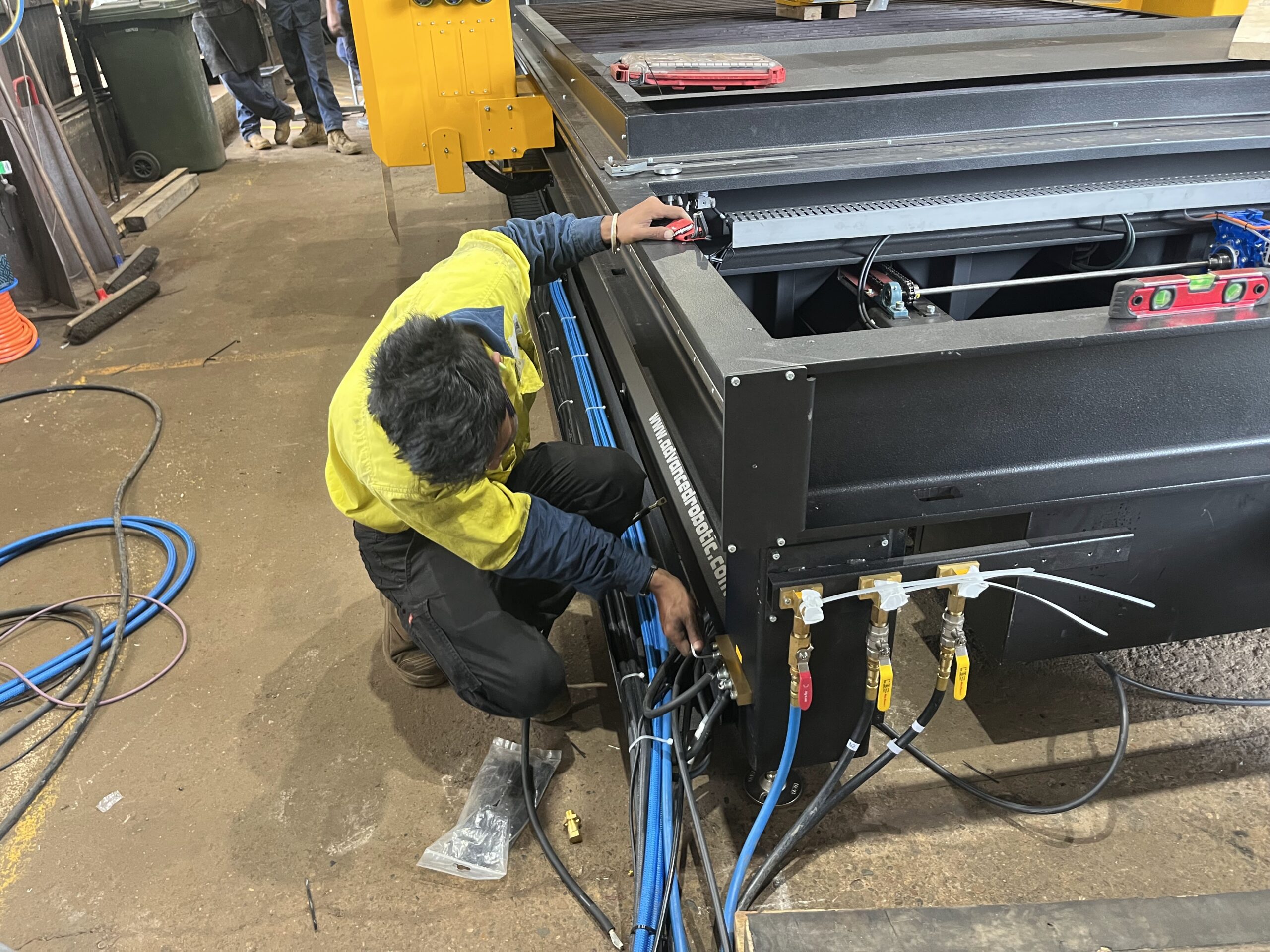
A CNC machine rarely fails at a convenient time. It stops halfway through a production run, throws accuracy out on a critical job, or starts showing signs of wear just when delivery dates are tight. That is why CNC machine servicing Australian businesses rely on is not simply a maintenance task. It is a production decision that affects output, quality, labour efficiency and customer confidence.
For fabrication shops, cabinet makers, sign manufacturers and industrial processors, servicing needs to do more than tick a box. A technician should understand how the machine is used in the real world, what materials it processes, what tolerances matter, and how downtime affects the workshop. There is a big difference between generic machinery support and service built around industrial CNC production.
Why CNC machine servicing Australia businesses need is different
Australia is not an easy service environment. Workshops can be spread across metro, regional and remote locations. Conditions vary from clean indoor production floors to heavy industrial sites dealing with dust, heat and long operating hours. Machines often work hard, and they are expected to keep working with minimal interruption.
That changes what good servicing looks like. It is not only about replacing worn parts when something breaks. It is about understanding duty cycles, environmental conditions, software behaviour, consumable wear, motion performance and operator habits. A service provider needs enough technical depth to diagnose the real cause of a problem, not just the visible symptom.
A rough cut edge, for example, may not be a simple consumables issue. It could be air quality, torch height calibration, gantry movement, table condition, software settings or deferred maintenance. Likewise, poor repeatability on a router might come from worn drive components, spindle issues, vacuum performance or machine setup drift over time. Servicing needs to connect those dots.
Preventive servicing beats reactive repairs
Most workshops already know unplanned downtime is expensive. What is often underestimated is how much money is lost before the machine actually stops. Slower cut speeds, more rework, inconsistent edge quality, premature consumable use and operator workarounds all erode productivity.
Preventive servicing helps catch that decline early. A planned inspection can identify wear in motion systems, cable carriers, bearings, drives, lubrication points, extraction performance and critical electrical components before failure shuts the machine down. Software checks and calibration reviews also matter, especially where cut quality and repeat accuracy directly affect finished job value.
Reactive repairs still have their place. Components fail, accidents happen and electrical faults do not always give much warning. But relying on breakdown support alone usually means higher service costs, longer disruption and more pressure on production. In most industrial settings, planned servicing is the cheaper option over the life of the machine.
What a proper service should include
A useful CNC service visit is never just a quick visual check. It should involve structured mechanical, electrical and operational assessment based on the machine type and application. Plasma cutters, routers, fibre laser systems and robotic cutting solutions all have different service priorities, but the principle is the same. The machine should be inspected as a working production system.
Mechanical condition comes first. Linear rails, racks, bearings, drive systems, gantry alignment and moving assemblies need to be checked for wear, backlash, contamination and correct adjustment. If movement is not right, cut quality will not be right either.
Electrical and control systems are just as important. Servicing should review cable integrity, connectors, control hardware, sensors, safety circuits and any signs of heat stress or component fatigue. Intermittent faults often start small. Catching them early can save a major stoppage later.
Then there is process-specific performance. On a plasma cutter, that includes torch setup, petrol delivery, height control and consumable condition. On a router, spindle health, tool holding, dust extraction and table hold-down are central. On a fibre laser, optics condition, chiller performance and assist petrol stability can directly affect cut consistency. Good service work is never one-size-fits-all.
The value of local technical support
One of the biggest differences in CNC machine servicing Australia-wide is response capability. When a workshop is under pressure, waiting days for a diagnosis or trying to explain a fault to someone with limited product knowledge is frustrating and costly.
Local support matters because it reduces time between problem and solution. It also improves accuracy of diagnosis. A team that installs, commissions, services and supports machines over the long term will usually identify patterns faster than a third-party technician seeing the equipment for the first time.
That matters even more when servicing is tied to software, machine configuration and the original application. A support provider with real product knowledge can often determine whether the issue sits in hardware, setup, consumables, operating practice or programming. That saves wasted callouts and avoids replacing parts that were never the cause.
For Australian manufacturers, there is also peace of mind in dealing with a partner who understands local production expectations. You want straight answers, realistic timeframes and service advice that makes operational sense, not vague promises.
Signs your machine needs attention before a breakdown
Some service issues are obvious. Others creep in slowly enough that operators adapt without realising how much performance has slipped. That is where many businesses lose money.
Watch for declining cut quality, variation between jobs, unusual vibration, changes in sound, position errors, inconsistent pierce or cut behaviour, reduced throughput or higher consumable use. Repeated minor alarms can also point to a larger underlying issue. If operators are adjusting settings more often just to get acceptable results, servicing is overdue.
Another warning sign is when maintenance becomes informal. If cleaning, checks and inspections depend on who is on shift rather than a structured routine, problems tend to build quietly. The machine may still be running, but not efficiently.
Servicing is also about operator confidence
A well-serviced CNC machine is easier to run properly. Operators trust it, spend less time second-guessing settings and can focus on output instead of nursing the equipment through the day. That has real value in busy workshops where labour efficiency matters as much as machine speed.
Training and servicing work best together. Operators should know what normal performance looks like, what early warning signs to report and which daily checks help preserve machine condition. Service technicians, in turn, should explain findings clearly and give practical advice, not just a list of parts replaced.
This is where an end-to-end support model stands out. A company that understands machine design, installation, software, training and after-sales service can usually provide better long-term outcomes than a supplier focused only on the initial sale. ART CNC works in that space because industrial buyers do not just need a machine delivered. They need ongoing production support.
Choosing the right CNC machine servicing Australia provider
Not every service provider is suited to every operation. The right fit depends on your machine type, production pressure, location and need for technical depth. If you run industrial equipment in a demanding environment, broad claims are not enough.
Ask practical questions. Can they support your specific cutting process? Do they handle repairs as well as preventive servicing? Can they assist with software and control issues, not only mechanical faults? Do they supply spare parts and consumables? Can they train operators and help improve performance after the immediate fault is fixed?
It also pays to look at how they communicate. Good service support is direct and honest. If a component is worn out, they should say so. If a fault is being caused by setup, maintenance practices or unsuitable application settings, that should be addressed clearly as well. The goal is not to sell a service visit. The goal is to keep your operation productive.
Service should protect the full investment
Industrial CNC equipment is a serious capital purchase, but the machine price is only one part of the equation. The bigger cost over time often comes from lost output, late jobs, poor cut quality and avoidable repairs. Proper servicing protects against all of those.
It also extends the useful life of the machine. Not forever, and not without sensible upgrades along the way, but long enough to improve return on investment and maintain reliable production. That is particularly important for businesses planning growth, adding shifts or taking on more complex work.
When servicing is done well, the benefits show up across the workshop. Jobs run more predictably. Operators work with more confidence. Consumables last as they should. Management gets fewer nasty surprises. That is what good support is meant to achieve.
If your CNC equipment is central to production, servicing should be treated the same way. Not as an afterthought, and not as a panic response when something finally stops, but as part of running a professional operation that expects its machinery to perform when it counts.