CNC Routers for Australian Production.
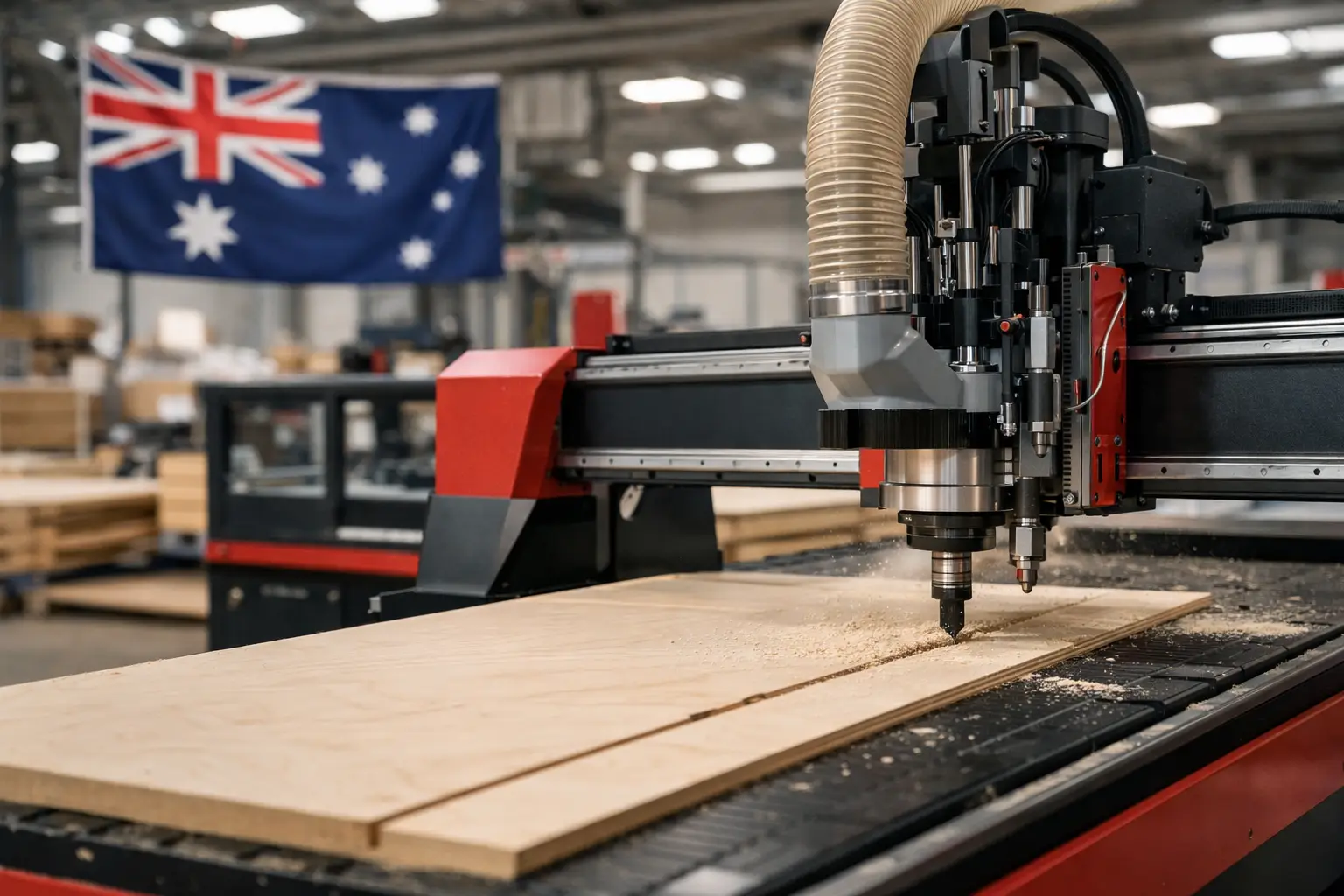
A router that looks good on a quote sheet can still be the wrong machine once it lands on your workshop floor. That is the real issue with CNC routers – not whether they can cut, but whether they can keep up with your materials, your throughput, your operators and the way your business actually runs.
For cabinetmakers, sign manufacturers, plastics processors and industrial workshops, a CNC router is not just a cutting table. It becomes part of production flow. It affects labour allocation, lead times, sheet yield, finishing time and rework rates. If the machine is undersized, poorly configured or badly supported, those problems show up fast.
Where CNC routers fit in production
CNC routers are designed to process non-ferrous and sheet-based materials with high repeatability. In practical terms, that usually means timber products, MDF, plywood, solid timber, ACM, foam, plastics, composites and similar materials used in manufacturing and fabrication environments.
What makes them valuable is not simply automated cutting. It is the combination of nesting, drilling, grooving, profiling and engraving in a single controlled process. A well-specified router can take multiple manual tasks and turn them into one repeatable operation, which reduces handling and gives operators a more consistent result across every sheet.
That matters most when output needs to stay predictable. If you are producing cabinetry components, routed signage, plastic guards, acoustic panels or composite parts, consistency is often worth as much as speed. A faster cut means little if edge quality is poor, parts move on the bed, or operators spend too long cleaning up finished pieces.
Choosing CNC routers by application, not brochure
The biggest buying mistake is starting with machine size and price before looking at production requirements. A router should be specified around the job it needs to do every day, not the broadest possible list of features.
For example, a cabinet shop processing nested board has different needs from a sign business cutting ACM and acrylic. A workshop making composite industrial components may need greater rigidity, vacuum performance and dust extraction control than a business focused on lighter routing work. Similar table sizes do not mean similar suitability.
The first questions should be practical. What materials are you cutting most often? What thickness range are you processing? Are you mainly nesting sheets, machining 3D components, drilling, grooving or engraving? What finish standard is expected straight off the machine? How many hours a day will it run?
These questions shape spindle selection, bed configuration, drive system, vacuum zoning, tool change requirements and software workflow. They also determine whether the router will remain an asset as volume grows or become a bottleneck within twelve months.
What matters most in industrial CNC routers
Machine structure comes first. If the frame, gantry and motion system are not built for industrial duty, the router may still cut acceptable parts at light loads, but performance will fall away once feed rates rise or tougher materials are introduced. Vibration, tool wear and inconsistent finish quality usually follow.
Spindle capacity is another area where assumptions cause trouble. More power is not always better, but underpowering a machine limits feed rates and can affect cut quality, especially in denser boards, thicker plastics and composite materials. The right spindle depends on material mix, tooling strategy and the type of production work being done.
Vacuum hold-down is often underestimated until sheets start moving or smaller parts break loose. Good hold-down is not just about pump size. It depends on zoning, spoilboard condition, sheet layout, material porosity and the way jobs are programmed. In production, weak hold-down quickly becomes a quality and safety issue.
Automatic tool changing can also shift a router from useful to highly efficient. If your jobs involve multiple tools for cutting, drilling, chamfering or engraving, manual tool changes waste time and increase the chance of error. On the other hand, if work is simple and repetitive, a more basic setup may be perfectly suitable. It depends on the mix of jobs and the value of reduced intervention.
Software and workflow are where gains are won
Plenty of businesses focus on machine hardware and only think seriously about software once installation is close. That is backwards. The software workflow determines how smoothly drawings become parts, how nesting is handled, how operators manage jobs and how much programming knowledge is needed on the floor.
A router with capable control software and the right post-processor setup can reduce programming time, improve material utilisation and make operator training far easier. If software is clumsy or poorly matched to the work, the machine may sit idle while staff battle with file preparation, toolpaths and setup inconsistencies.
For nested manufacturing, this becomes especially important. Efficient sheet optimisation, label integration, drilling logic and repeatable post-processing all affect daily output. The machine is only one part of the production chain. Software, training and process discipline do the rest.
CNC routers and the cost of downtime
When a router stops, the issue is rarely confined to one machine. Downstream assembly, edging, finishing, delivery scheduling and labour planning can all be affected. That is why support should be part of the buying decision from the start.
A machine with limited local support may seem acceptable until faults appear, consumables are delayed or operators need help with diagnostics. For industrial users, after-sales service is not a bonus. It is part of machine performance. Access to technical support, spare parts, training and servicing can make the difference between a manageable issue and a week of lost production.
This is where many buyers reassess what value really means. The lowest upfront price can become expensive if commissioning is poor, training is rushed or support is difficult to access. Serious production businesses generally need a supplier that understands both the machine and the application, and can help solve problems in the language of production, not just product specs.
When a CNC router is the right process
Not every cutting application belongs on a router, and being honest about that saves money. CNC routers are ideal where timber, plastics, composites and similar sheet materials need accurate machining, profiling and nested processing. They are often the right choice where edge finish, versatility and repeatability matter more than brute-force cutting of metallic materials.
But process selection should always be grounded in material type, thickness, volume and finish requirements. Some businesses compare routers with other CNC cutting technologies when they are really trying to solve a broader production problem. The right answer is not always the machine they first asked about.
That is why experienced advice matters. A good supplier should be willing to tell you when a router is right, when it is not, and what configuration actually fits your workload. ART CNC works this way because machinery only delivers value when the recommendation matches the job.
Planning for growth, not just current demand
Many workshops buy for current workload and hope the machine will stretch as the business grows. Sometimes that works. Often it creates a second purchase sooner than expected.
If your quoting pipeline is improving, customers are asking for shorter lead times, or labour is already tight, it makes sense to think beyond today’s sheet volume. Can the machine handle longer shifts? Will software scale with more complex jobs? Can the table size, tooling setup and automation level support expansion without major disruption?
There is a balance here. Overspending on capacity you will never use is not sensible. But buying a router that is already near its limit on day one leaves little room to improve throughput or take on more profitable work.
What a good router decision looks like
A sound router decision is usually less about chasing the highest spec and more about aligning machine capability with commercial reality. The right machine should improve throughput, maintain cut quality, reduce operator dependency and fit the workshop’s actual production flow. It should also come with proper installation, training and support, because that is what turns equipment into a dependable production asset.
If you are assessing CNC routers for your business, the best place to start is with the work itself – your materials, your volumes, your bottlenecks and your plans for growth. Once those are clear, the right machine tends to become clear as well. And when that happens, you are not just buying equipment. You are setting up a cleaner, more reliable way to produce.