Best CNC Router for Aluminium in Australia.
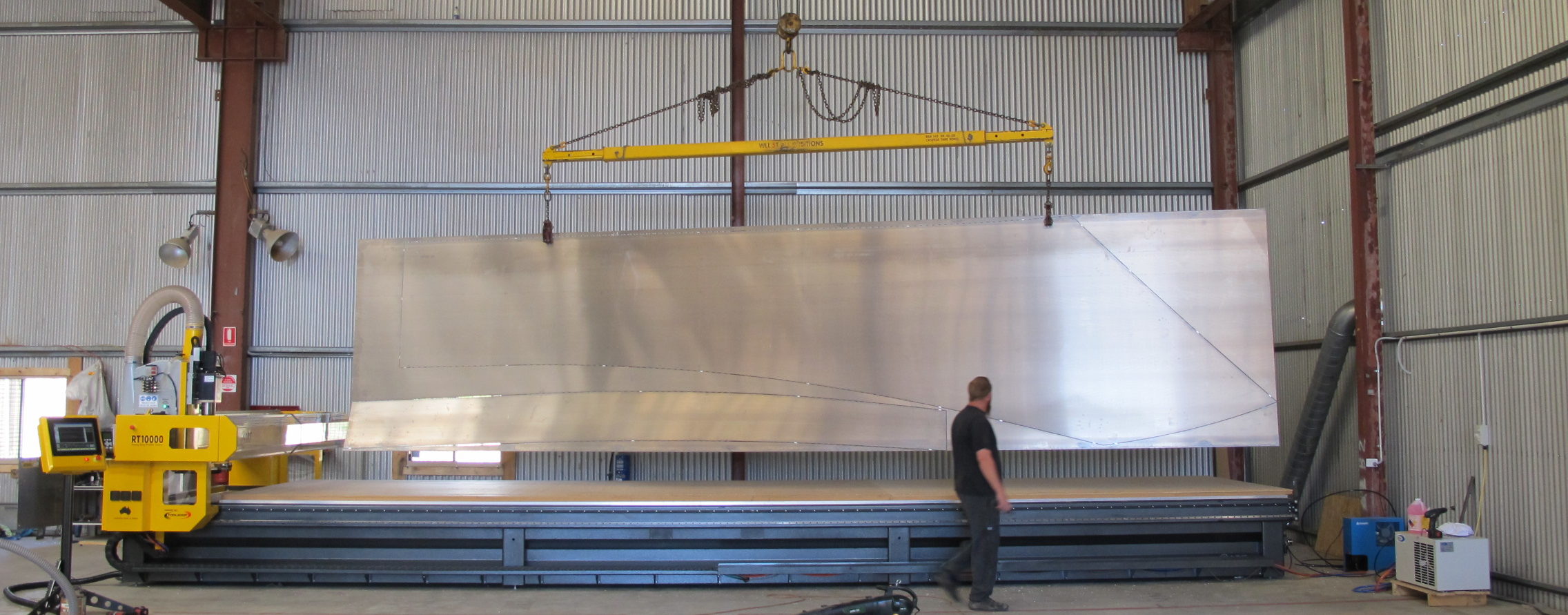
Aluminium quickly exposes the difference between a machine that looks capable on paper and one that actually performs in production. If you are trying to choose the best cnc router for aluminium, the real question is not which model has the flashiest brochure. It is which machine can hold tolerance, evacuate chips properly, protect tool life and keep your workshop moving without constant fiddling.
That matters because aluminium is less forgiving than timber, ACM or many plastics. It cuts cleanly when the machine is rigid, the spindle is matched to the job, and the software is tuned properly. Get any of those wrong and you will see chatter, poor edge finish, heat build-up, welded chips and wasted sheets. For a fabrication or manufacturing business, that is not a minor annoyance. It is lost time, scrap and margin disappearing straight off the floor.
What makes the best CNC router for aluminium?
The best machine for aluminium is usually not the fastest machine in a headline spec sheet. It is the machine with the right balance of frame rigidity, spindle performance, drive quality, workholding and control. Aluminium demands stability. If the gantry flexes, the bearings are undersized or the drive system has too much backlash, the tool will tell you straight away.
A rigid frame is the starting point. Heavier construction generally gives you a better chance of controlling vibration, particularly when cutting thicker plate or running longer production shifts. Gantry design matters as well. A router that performs nicely in soft materials can struggle once the cutting forces increase. That is why aluminium-capable routing systems are typically engineered with more substantial construction, quality linear motion components and drive systems that maintain accuracy under load.
Spindle selection is another area where buyers can get caught out. More power is not automatically better, but an underpowered spindle forces compromises in feed rate and toolpath strategy. For aluminium, you need a spindle that can maintain stable cutting conditions, not just spin at high RPM. Depending on your workload, that might mean a different spindle configuration than what suits timber or signage work.
Aluminium routing is as much about process as machine
The machine matters, but the process around it matters just as much. Aluminium needs clean chip evacuation. If chips stay in the cut, they recut, generate heat and begin to weld onto the tool. That is where edge finish deteriorates and tool life drops.
This is why lubrication, misting or other suitable cooling strategies often come into the conversation. Not every workshop wants or needs the same setup, and the right answer depends on material grade, thickness, tooling and production volume. The point is simple – if a supplier talks only about machine size and speed but not about chip control, they are leaving out a critical part of the job.
Tooling also plays a major role. Aluminium-specific cutters, correct flute geometry and sensible step-over and depth settings will make a noticeable difference. A strong machine can still produce poor results if the tooling and programming are wrong. That is one reason experienced buyers look beyond the initial machine quote and ask who will help configure the process properly.
Best CNC router for aluminium buyers should look past top speed
Plenty of machines advertise high rapid rates. That sounds impressive, but rapid speed is not the same as productive aluminium cutting. In a real workshop, consistency is worth more than a headline number. You want reliable interpolation, stable feed control and repeatable results across a full sheet or repeated batch runs.
Servo systems are often preferred in heavier-duty applications because they offer better control and feedback, especially when the machine is expected to run harder materials regularly. The right motion system will depend on machine size, throughput targets and the level of precision required, but this is not the place to cut corners. Aluminium exposes weakness in drive systems quickly.
The table and hold-down setup deserve the same scrutiny. Vacuum hold-down can work very well for thinner sheet and nested parts, but it needs to be properly designed for the material and cut strategy. In some cases, especially with smaller parts or heavier cuts, a combination of vacuum zoning, fixtures or mechanical clamping may be more reliable. There is no universal answer. The best setup is the one that suits your actual production mix, not a showroom demonstration.
Where businesses often choose the wrong machine
A common mistake is buying a router based on occasional aluminium work without considering how often that work will grow. If aluminium is becoming a regular part of your production, you need a machine designed around that reality, not one that can manage it only with conservative settings and extra operator attention.
Another mistake is treating software as an afterthought. Good toolpaths are critical in aluminium. Entry moves, chip load, cutter engagement and tab strategies all affect finish and reliability. If your software and post-processing are not well matched to the machine, the operator ends up compensating manually. That usually means slower cycle times and more variation between jobs.
Support is the other issue buyers tend to underestimate. Aluminium jobs often require more process tuning than softer materials, especially during commissioning or when introducing new parts. If a machine supplier cannot help with programming, parameters and troubleshooting, your team carries the learning curve alone. That gets expensive very quickly.
How to judge whether a router is right for your aluminium workload
Start with the parts you actually make. Sheet size, thickness range, tolerance expectations, edge finish requirements and production volume will determine what kind of machine makes sense. A business cutting thin folded components from aluminium sheet has different needs from a workshop machining heavier plate, engraved panels or repeat production parts with tight fit-up requirements.
Then look at duty cycle. Is the router expected to cut aluminium occasionally between other materials, or will it be doing this day in, day out? There is a big difference between occasional capability and genuine production suitability. The best cnc router for aluminium in one workshop may be overkill in another, while a lighter machine may become a bottleneck if demand increases.
Ask practical questions. What spindle is recommended for your material range? What tooling package is typically used? How is chip extraction or coolant handled? What hold-down method works best for your parts? How is the machine serviced in Australia, and who do you call if it starts marking parts on a Friday afternoon? Those questions usually tell you more than a product brochure.
Why local engineering and support matter
For Australian manufacturers, local support is not a nice extra. It is part of the machine. Downtime costs money, especially when jobs are scheduled tightly and operators are standing by. A router that cuts aluminium well but takes too long to diagnose or repair is not a strong investment.
That is where dealing with a company that actually designs, builds, programs and supports its systems makes a difference. The advice tends to be more direct, and the solution is more likely to fit the application rather than a generic sales category. ART CNC works with businesses that need this level of practical support because machine performance is only half the equation. The other half is what happens after installation, when the machine is in real production and the workshop needs answers quickly.
Local support also helps with machine configuration before the order is placed. That includes table size, spindle choice, vacuum design, software setup and process advice around aluminium cutting. Getting those decisions right early usually saves a lot of frustration later.
Router or another cutting process?
This is the part some suppliers avoid, but it matters. A router is not automatically the right answer for every aluminium job. Depending on thickness, finish requirements, part geometry and throughput, another process may be more suitable. Honest advice means looking at the full production picture, not forcing every application into one machine category.
If your work involves a mix of non-ferrous sheet, composite panels, plastics and routing operations, a CNC router can be an excellent fit. If your aluminium work demands a certain edge condition, cut speed or downstream process outcome, the best solution may involve a different approach. The right supplier should be prepared to say that.
What a good aluminium-capable router setup looks like
In practical terms, you are looking for a machine with a rigid frame, quality motion components, an appropriate spindle, reliable hold-down and control software that supports proper aluminium toolpaths. You also want commissioning and training that go beyond basic operation. Operators need to understand feeds, speeds, tooling and material behaviour if the machine is going to perform properly over time.
There should also be a clear service path. Spare parts availability, software support and access to technicians all affect the real cost of ownership. A lower upfront price means very little if the machine becomes difficult to support once production pressure builds.
Choosing the best cnc router for aluminium is really about choosing a system, not just a table with a spindle on it. The businesses that get the best result are usually the ones that match machine design, process setup and after-sales support to the work they actually do – and the work they expect to win next.