CNC Machine Finance Australia Explained.
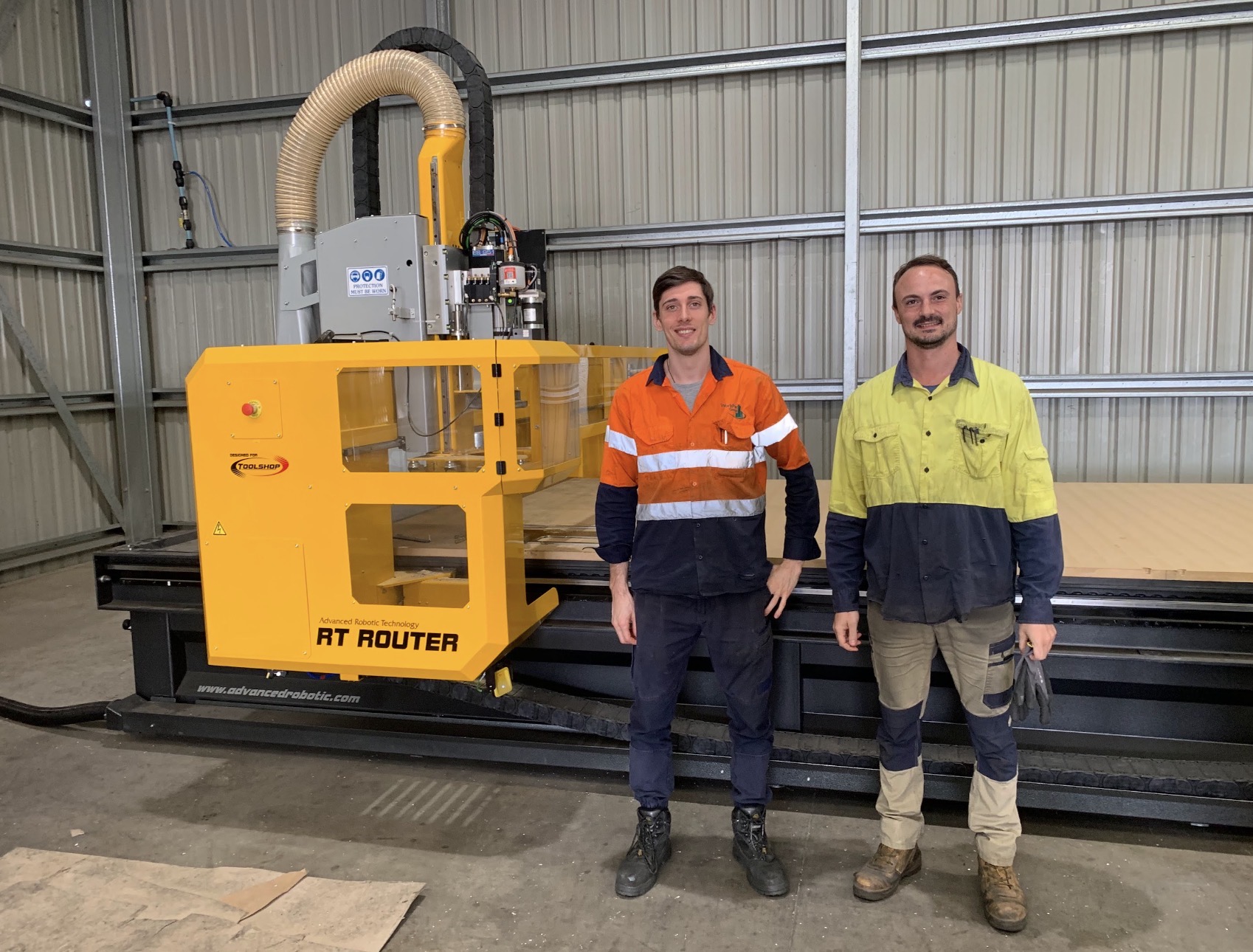
A new CNC machine should make your workshop more productive, not put pressure on cash flow before it has even started earning its keep. That is why CNC machine finance Australia is not just about finding monthly repayments that look manageable on paper. It is about matching the finance structure to the machine, the workload, and the way your business actually runs.
For many Australian fabrication shops, engineering businesses, cabinetmakers and industrial manufacturers, the finance decision sits right alongside the equipment decision. Get either one wrong and you can end up with a machine that is underutilised, overcommitted, or difficult to support when production is on the line. Get it right and the machine becomes a practical asset that improves output, reduces bottlenecks and supports growth without draining working capital.
What CNC machine finance Australia really needs to cover
Finance is often discussed as if it starts and ends with the machine purchase price. In real production environments, that is too narrow. A CNC investment can include installation, commissioning, software, operator training, extraction or gas setup, consumables, spare parts strategy and service planning. If those items are treated as afterthoughts, the quoted repayment may look attractive while the total project cost catches the business off guard.
That matters because different CNC technologies create different financial profiles. A CNC plasma cutter may be the right fit for a fabrication business processing mild steel plate at volume. A CNC router may suit signmaking, joinery or plastics work where material handling, edge finish and nesting efficiency matter more. A fibre laser cutter may justify a higher upfront investment where speed, precision and material range can materially improve throughput and margin. Robotic beamline systems bring another level of automation and production capability, but they also demand careful planning around workflow, integration and support.
The finance conversation should reflect those differences. A machine that directly replaces labour-intensive manual processing or outsourced cutting may produce a faster return than one being purchased for future capacity. That does not mean the second option is wrong. It means the repayment structure, deposit level and term should reflect the expected ramp-up period.
Choosing finance around production, not just price
The most common mistake buyers make is focusing on the cheapest monthly figure. Low repayments can look sensible until you factor in a long term, a large final payment, or a machine specification that is too limited for the job. In a workshop, underbuying can be just as expensive as overspending.
A better approach is to start with production questions. What materials are you cutting? What volumes are realistic over the next one to three years? Is the machine replacing subcontract work, speeding up an existing bottleneck, or opening a new revenue stream? How many shifts will it run, and who will operate it? Once those answers are clear, finance can be shaped around expected utilisation rather than guesswork.
This is where practical supplier input matters. A seller that only talks numbers may help arrange equipment funding, but that is not the same as helping you make a sound capital decision. Businesses are better served when the machine supplier understands process, software, training and service requirements as part of the same conversation.
Common finance structures and where they fit
There is no single best funding model for every business. The right option depends on your tax position, cash reserves, replacement cycle and how hard the machine will be worked.
A chattel mortgage often suits established businesses that want ownership from the outset and prefer to preserve day-to-day liquidity. It can be a practical choice when the equipment is expected to stay in service for years and the business wants clear control over the asset.
A finance lease may suit businesses that prefer structured payments and want flexibility around upgrade timing, although the details matter. You need to understand end-of-term obligations, residuals and whether the lease aligns with how long the equipment will remain fit for purpose.
Hire purchase style arrangements can also work in some circumstances, particularly where staged ownership and fixed budgeting are preferred. The point is not to pick a product first and force the machine into it. The point is to understand how the finance structure supports the operating plan.
Why support matters in CNC machine finance Australia
If a machine is financed over several years, support becomes part of the investment logic whether it appears on the agreement or not. A lower repayment on a poorly supported machine is not necessarily cheaper if downtime costs you jobs, rework and delivery delays.
That is especially true for production businesses where machine availability affects the entire workshop. A plasma cutter waiting on parts, a router that operators were never properly trained to use, or a fibre laser left idle because no one can resolve a setup issue can quickly turn a finance commitment into dead weight.
This is why serious buyers look beyond the repayment figure and ask harder questions. Who installs the machine? Who trains the operators? Who answers the phone when the system stops? Are spare parts and consumables readily available in Australia? Can the supplier help refine the cutting process after commissioning, not just on day one?
Those questions protect the return on investment. They also help determine whether finance is being used to fund a productive asset or simply to acquire equipment.
Assessing return without kidding yourself
Most businesses can justify a machine purchase if they use optimistic numbers. The better test is whether the decision still stacks up under normal operating conditions. That means building your return estimate around conservative throughput, realistic labour savings and actual material mix.
For example, if a new cutting system is expected to reduce processing time, improve cut consistency and bring outsourced work in-house, the value is real. But the timing matters. If operator training takes a few weeks and production scheduling takes time to settle, the first quarter may not reflect full performance. Your finance arrangement should leave room for that bedding-in period.
It is also worth looking at the less obvious gains. Better cut quality can reduce secondary processing. More reliable nesting can improve material yield. Faster job turnaround can improve customer retention and quoting confidence. These are not abstract benefits. In many businesses, they are where the margin improvement actually shows up.
Red flags to watch before you sign
If the machine specification is vague, the finance proposal is incomplete, or service expectations are brushed aside, stop there. Good suppliers and finance partners should be able to explain exactly what is included, what is excluded and what the implementation process looks like.
Be careful with deals that look attractive only because key costs are missing. Software licences, freight, installation, extraction, consumables, training and service response all affect the true cost of ownership. So does the suitability of the machine itself. Buying too small can mean replacing the machine early. Buying the wrong process can leave you fighting the equipment every day.
It is also worth being wary of financing a machine before the application has been properly assessed. A CNC purchase should reflect real production needs, not a speculative hope that extra capacity will somehow create demand on its own.
A practical way to approach the decision
Start with the workload, then the process, then the machine configuration, then the finance. That order keeps the decision grounded. Once the equipment is properly specified, work out what level of deposit preserves healthy cash flow without making repayments unnecessarily high. Then compare terms based on total cost, flexibility and business impact, not just the monthly number.
For Australian buyers, local technical support should sit near the top of the list. That is one reason many businesses prefer dealing with a partner that can assess requirements, configure the right system, install it properly and stay involved after the sale. ART CNC works in that space because industrial customers do not just need a machine delivered. They need a machine that performs in production and stays productive over time.
Good finance should make the right machine achievable without creating strain elsewhere in the business. It should support capacity, not complicate it. If the proposal is clear, the equipment is properly matched to the work, and the support is there when you need it, finance becomes a practical tool rather than a risk.
The best place to start is with an honest conversation about what your workshop needs to cut, how fast it needs to run, and what kind of support will keep it earning long after the paperwork is signed.